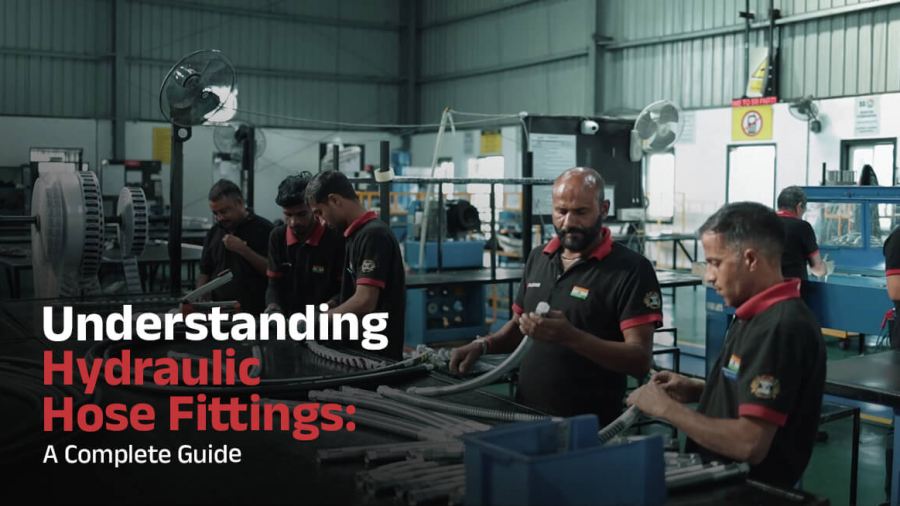
Hydraulic hose fittings are important parts used to connect hydraulic parts․ Hydraulic hose systems rely on hydraulic hose fittings to move fluid and resist other forces․ Selecting the right hydraulic hose fittings is important to the overall performance of hydraulic hose systems․
There are several types of fittings, including JIC, BSP, DIN, ORFS, and SAE flange connections which have specific dimensions and seals.
What Are Hydraulic Hose Fittings?
Hydraulic hose fittings are parts of a hydraulic connection system which serve to connect hoses and other hydraulic equipment, such as pumps, valves and cylinders. They help in creating secure connections allowing hydraulic fluid to flow in a pressurized state.
Typical hydraulic hose assembly consists of a hose, an end fitting, and a ferrule or socket. The fitting provides a connection of the hose with a machine part while the ferrule joins the hose with the fitting using crimp technology.
Depending on the tasks to do, different hose fittings can be set up, including straight fittings, elbows, tees, and flanges.
The fitting needs to match the hose assembly and the equipment connection. A wrong fitting can cause leakage, connection failure or worse performance especially when dealing with pressure and constant use.
Common Types of Hydraulic Hose Fittings:
Hydraulic hose fittings come in connection styles. These are mainly different because of their thread sizes, sealing surfaces and how they connect.
The common types are:
| Fitting Type | Connection Design | Common Identification |
| JIC | 37° flare sealing surface | SAE J514 |
| BSP | British Standard Pipe thread; parallel or tapered variants | BSPP / BSPT |
| DIN / Metric | 24° cone sealing arrangement | DIN Metric |
| ORFS | O-ring face seal | SAE J1453 |
| SAE Flange | Flange connection with an O-ring sealing arrangement | SAE J518 |
These types are different in how they connect and how they seal. They need to be identified before choosing or replacing a fitting because even if they look the same they might not work together.
The right type depends on the connection the equipment has, the system’s details and what the application needs. Using the fitting helps create a strong connection and makes the whole hose assembly more reliable.
How to Choose the Right Hydraulic Hose Fitting:
Picking a hose fitting means more than just matching the thread size. The fitting has to work with the hose, the equipment connection and the working conditions of the system. A wrong choice can damage the seal, slow down the flow of fluid or cause the assembly to fail early.
Here are the main things to think about:
- Connection type and size: Find out what the equipment uses the thread size and the way it seals. JIC, BSP, DIN, ORFS and SAE flange connections have looks and should not be used together.
- Operating pressure: Check what the hose and fitting can handle together. The whole assembly must work within the limit of the part.
- Hose size: The fitting has to match the hose size the way it is made and the details it has to make a good connection.
- Application needs: Think about the fluid used, the temperature, shaking and where it will work. These things decide what kind of material. Design the fitting needs.
- Hose path: Choose straight elbow or other fitting styles based on the space you have and the route the hose needs to take. Good routing helps stop much bending and stress at the connection.
Doing these checks makes sure the fitting is right for the equipment and the working conditions of the system.
Quality Checks in Hydraulic Hose Fitting and Assembly:
The way a hydraulic hose assembly works depends on how accurate its partsre how well it is put together. Even a fitting that is chosen correctly can cause problems if it is not put together or pressed the way.
A steady process of making and checking should include:
- Checking the parts: Make sure the hose, fitting and clamp are right for each other. Meet the needed standards.
- Cutting the hose properly: Make sure the cut is clean and accurate to keep the size for the assembly.
- Pressing the right: Follow the size and instructions for pressing the hose and fitting together.
- Looking at the size and appearance: Check the pressed connection, where the fitting sits and the whole assembly for any problems or differences.
- Testing for pressure and leaks: Do the tests needed to check the assembly is solid. Find any leaks before it is used.
These checks help keep the quality in all assemblies and lower the chance of problems when the system is working. Gates also says it is important to use parts that work together because differences in parts and pressing can affect the assembly.
Common Mistakes to Avoid When Selecting Hydraulic Hose Fittings:
Choosing or installing the wrong fitting can pose safety and performance risks․ Mistakes to avoid with fittings include:
- Using wrong fittings and accessories: Other fittings and accessories may damage connections with hoses․ Use only the fittings and accessories recommended by the manufacturer․
- Ignoring connection types: Threaded connections that seem the same might not fit together․ Make sure you know the connection type before trying to use it․
- No pressure rating information provided: Choosing a fitting based on hose pressure ratings is unsafe․ All components in the system must be able to withstand the same pressure․
- Pressing too tightly or not tightly enough: Applying too much or too little pressure when pressing can affect the seal’s performance and the connection’s strength․
- Ignoring hose routing: Frequent flexing and pulling at the connection site can shorten the assembly’s service life․
The best way to prevent these errors is to properly select and install components and perform the necessary checks․
Conclusion
Hydraulic hose fittings are important for the reliability of a hose assembly. Picking the connection matching it with the hose and doing the right way to put it together helps the system work well even in tough conditions.
For companies looking at hose manufacturers in India or hydraulic hose manufacturers in India it is important to think about more than just having parts. The ability to make things how well the parts work together and how accurate the assembly. How good the checks are all help make the final product better.
At Rajdhani making the fittings in-house and having the Rajdhani Excellence Lab help make a connected way to handle hydraulic hose assembly needs. Focusing on picking the parts, making them with care and testing them, Rajdhani keeps working on the quality that hydraulic work needs.
Frequently Asked Questions:
1. What is the purpose of hose fittings?
Hydraulic hose fittings link hoses to pumps, valves, cylinders and other parts of the system. They create a link that lets the fluid move through the system.
2. What are the common types of hose fittings?
Common types include JIC, BSP, DIN Metric, ORFS and SAE flange. Each one has its way to connect and seal.
3. How do I find the right hydraulic hose fitting?
Check the connection type, thread size sealing way and hose size. You should also think about the system’s pressure, temperature, fluid and equipment needs.
4. Can hydraulic hose fittings be used again?
It depends on the type and what the maker says. Many fittings that are pressed are not meant to be used once they are taken off. Always go by what the maker says or just assume.
5. Why is it important to match the fitting and hose?
The fitting needs to work together as one. If the parts don’t go together or the pressing is wrong the link can get weaker. The chance of leaks or breaking goes up.